Mind to Matter delivers interactive STEM labs for elementary and middle school students in Middlesex County libraries and schools. In each workshop, students learn to ask questions, test hypotheses, and refine their designs. Our hands-on, application-driven projects develop both scientific rigor and creative problem-solving skills.
Events
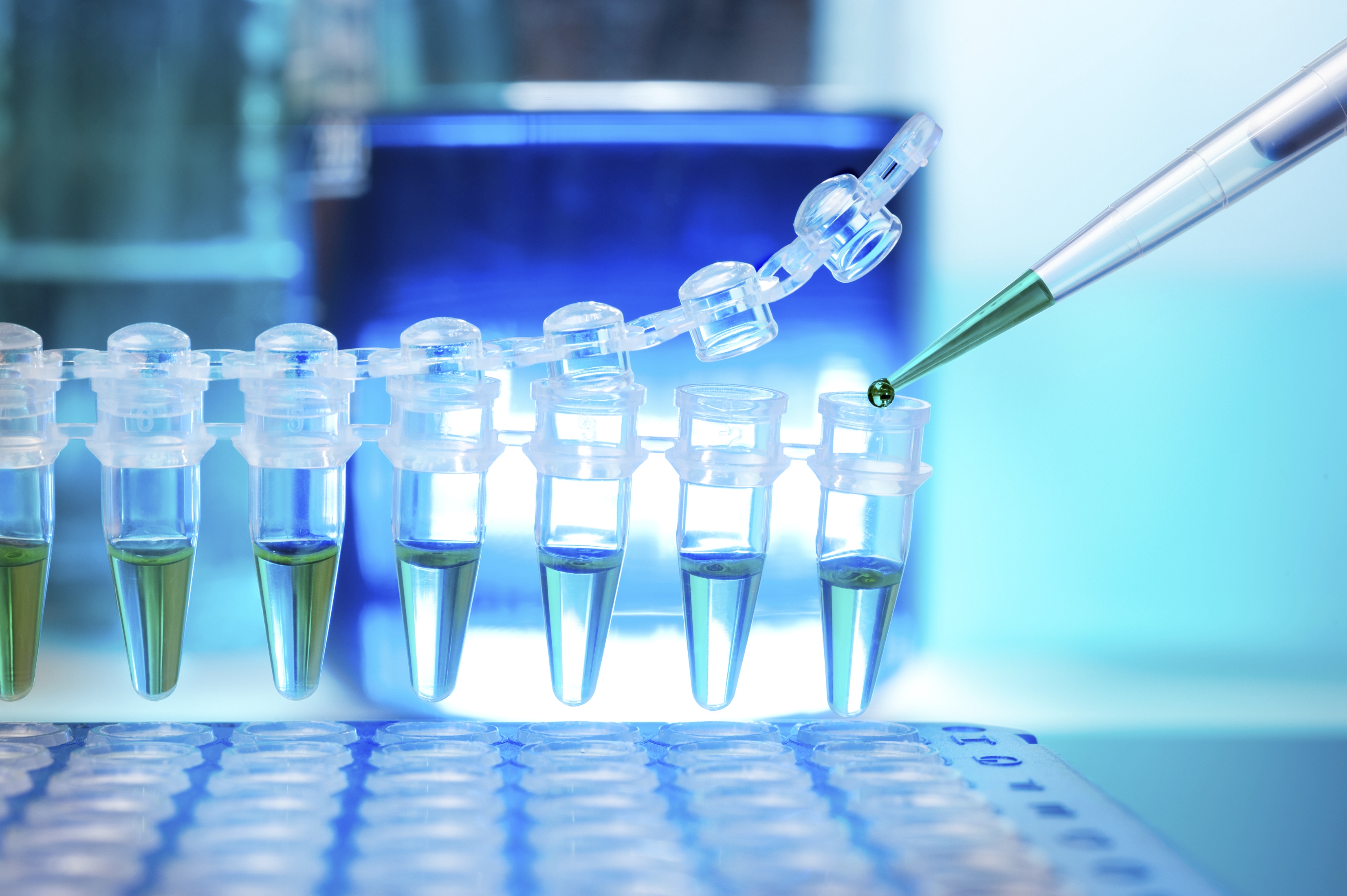
DNA Extractions
In this mini-forensics lab, students practice genetics and biochemistry by isolating DNA from wheat germ—formulating hypotheses, handling lab reagents, and handling mock lab cases.
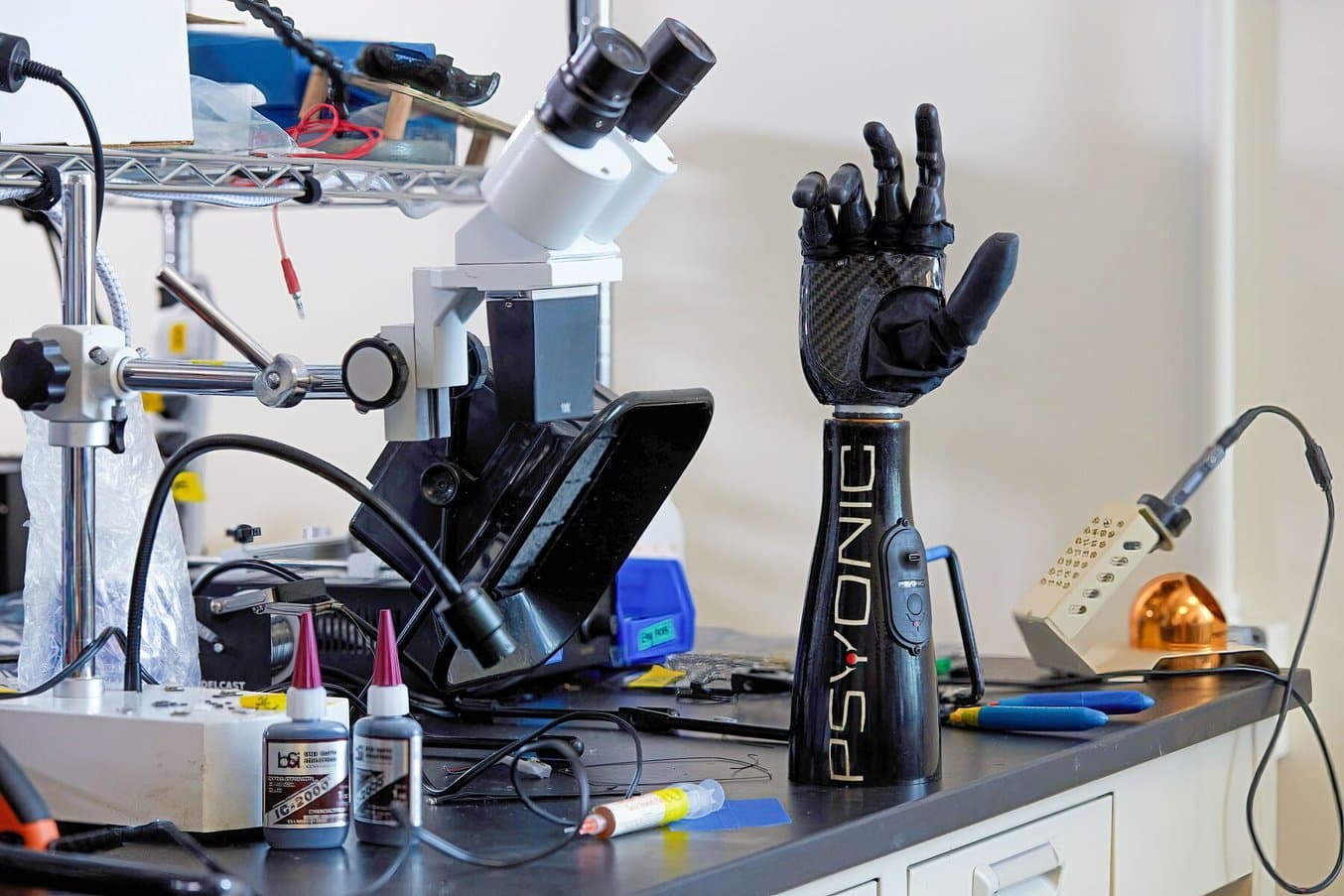
Prosthetic Arms
Working in biomechanics and mechanical engineering, teams prototype simple prosthetic hands—testing grip mechanisms, refining their models based on performance data, and learning empathy-focused innovation and how it plays into biomedical engineering.

Building Towers
Applying civil engineering principles, learners design, build, and test balsa wood towers—predicting load capacity, and iterating on their structures to master hypothesis-driven design.

Balsa Wood Planes
Using physics and aerospace engineering, pairs will work through the steps of creating a model plane—modifying wing sizes, propeller shapes, and experimenting through the balance of weight, torque, and airflow to understand the planes, satellites, and rockets around us.
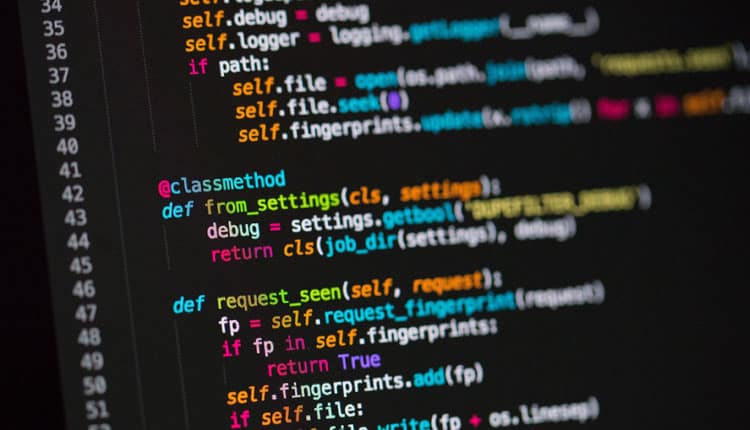
Computer Science
Learn not only how to code, but how to program efficiently, optimizing based on knowing a programming language rather than simply using it. Explore the logic and main concepts behind computer science, create a mindset to manage more complex tasks in real applications, and show your skills in a cumulative project.

Lava Lamps
Using chemistry, fluid mechanics, and physics, participants build a DIY lava lamp. Predict how variables like tablet dose, oil to water ratio, and temperature affect bubble rise. Participants will iterate to test hypotheses about density, solubility, and buoyancy in real-world applications.
Fostering Problem Solving & Scientific Thinking
At Mind to Matter, we believe that building a scientific mindset starts with curiosity and hands-on experimentation. Our team guides students through basic research methodologies—formulating hypotheses, collecting data, and drawing evidence-based conclusions all while doing the work of real scientists. Through in-person workshops and labs, we teach young learners how to think like scientists, not just follow instructions. These foundational skills carry over into every STEM field and beyond.
 Mind to Matter